

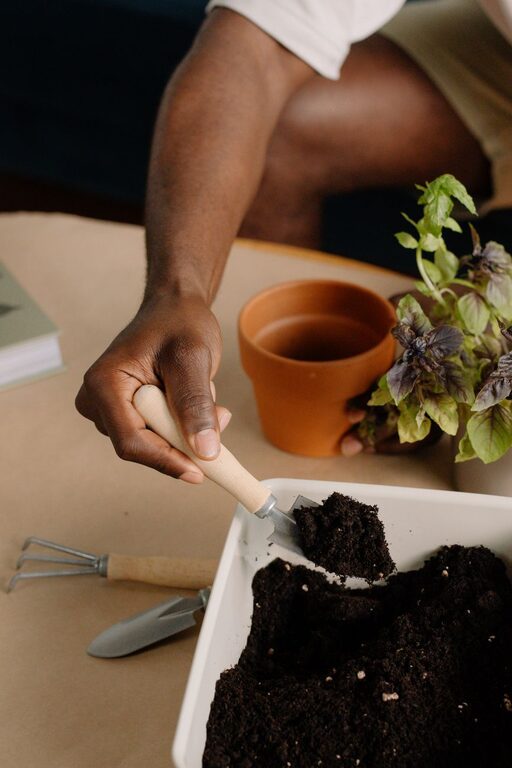
Starting an indoor herb garden is a rewarding and practical way to add fresh flavors to your meals while brightening your living space. Whether you have a spacious kitchen or just a sunny windowsill, growing herbs indoors is achievable and enjoyable. This guide walks you through everything you need to know to start a small herb garden indoors.
Why Grow Herbs Indoors?
Growing herbs indoors offers several benefits:
– Fresh, flavorful herbs year-round
– Convenient access for cooking
– Control over growing conditions
– A touch of greenery that improves mood and air quality
Some herbs like basil, parsley, and thyme adapt well to indoor environments, making them perfect choices for beginners.
Choosing the Right Herbs
Start with herbs that thrive indoors and are commonly used in cooking. Here are some popular options:
– Basil: Loves warmth and light, great for Italian dishes.
– Parsley: Versatile and easy to grow.
– Thyme: Hardy and requires less water.
– Mint: Vigorous grower but keep it contained to avoid spreading.
– Chives: Adds a mild onion flavor, grows well indoors.
– Cilantro: Prefers cooler temperatures, good for salsas and salads.
Consider your cooking preferences and choose herbs you will use often.
Selecting Containers and Soil
Containers
You can use various containers as long as they have drainage holes. Options include:
– Small pots made of terracotta or plastic
– Recycled containers like yogurt cups (with holes punched in the bottom)
– Window boxes designed for indoor use
Drainage is essential to prevent root rot, so make sure containers allow excess water to escape.
Soil
Choose a high-quality potting mix formulated for indoor plants. Avoid garden soil, which may be too heavy or contain pests. A well-draining mix with perlite or vermiculite works best.
Finding the Perfect Spot
Herbs need plenty of light to thrive, usually about 6 hours of direct sunlight daily. Here’s how to pick the best location:
– Windowsills: South or southwest-facing windows provide the most light.
– Under grow lights: If natural light is limited, use LED grow lights designed for plants.
– Avoid drafty areas: Keep herbs away from cold drafts or heating vents.
Rotate your pots every few days to ensure even light exposure on all sides.
Planting Your Herb Garden
Seeds or Starter Plants?
– Seeds: Cost-effective and satisfying but require patience.
– Starter plants: Faster results and easier for beginners.
If using seeds, follow packet instructions for planting depth and spacing. For starter plants, gently loosen roots before potting.
Planting Steps
- Fill containers with potting mix, leaving about 1 inch from the rim.
- Moisten the soil lightly before planting.
- Place the seeds or plants in the soil, covering seeds as directed.
- Water gently to settle the soil.
- Label each pot to keep track of your herbs.
Caring for Your Indoor Herb Garden
Watering
Most herbs prefer evenly moist soil but not soggy. Check soil moisture by touching the top inch—water when it feels dry. Overwatering can cause root rot, so ensure proper drainage.
Fertilizing
Feed herbs every 4-6 weeks with a balanced, water-soluble fertilizer diluted to half strength. This supports healthy growth without overwhelming the plants.
Pruning and Harvesting
Regular pruning encourages bushier growth. Pinch off leaves or stems just above a leaf node to stimulate new shoots. Harvest herbs frequently for best flavor and to prevent flowering, which can reduce leaf quality.
Pest Control
Indoor herbs occasionally attract pests like aphids or spider mites. Use gentle solutions such as rinsing leaves with water or applying insecticidal soap if needed.
Troubleshooting Common Issues
– Leggy plants: Not enough light; move to a brighter spot or add grow lights.
– Yellowing leaves: Overwatering or poor drainage.
– Wilting: Underwatering or root problems.
– Slow growth: Low light or lack of nutrients.
Adjust care based on your observations to help your herbs thrive.
Tips for a Successful Indoor Herb Garden
– Start small: Begin with a few herbs and expand as you gain experience.
– Keep a watering schedule to avoid neglect or overwatering.
– Use clean containers and tools to prevent disease.
– Experiment with herb combinations to find your favorites.
– Enjoy the process and have fun with your indoor garden!
Conclusion
Starting a small herb garden indoors is simpler than many think. With the right herbs, containers, light, and care, you can enjoy fresh herbs all year long right from your home. This natural touch adds flavor to your cooking and freshens your space, making it a fulfilling activity for any gardening enthusiast.
Happy gardening!